Teaching Emotional Intelligence with Inside Out: 6 Picture Books for Kids
Do you know which film ranked No.1 at the global box office in 2024? It was Pixar’s <Inside Out 2>. With an impressive box office revenue of 1.7 billion USD (approximately 2.4 trillion KRW), it achieved the highest performance ever among animated films. In Korea as well, it surpassed 8 million admissions and received widespread love. Why did Inside Out resonate so deeply with parents around the world?
Inside Out was created with consultation from renowned scholars in the fields of emotion and psychology, including Paul Ekman. Perhaps that is why it so delicately portrays the process of understanding and accepting emotions.
According to many studies in child psychology, emotional intelligence is known to be an important factor that positively influences learning attitudes, peer relationships, and stress-coping abilities. Experiences of understanding and expressing emotions help children develop a healthier view of themselves and others.
At PENTA, you can explore six picture books from the <Inside Out> series, with more titles to be added whenever new extended stories are released. Joy, Sadness, Anger, and even the new emotion friend Anxiety—set off on an emotional journey together with your child!
Animated Picture Books
The two books below concisely capture the stories of the animated films and are especially well suited for children who are encountering this series for the first time.
<Inside Out> — A First Journey into Riley’s Mind
Inside the mind of 11-year-old Riley live five emotion friends: Joy, Sadness, Anger, Fear, and Disgust! What happens to Riley after she moves to a new city?
Lexile: 660L | Key themes: The balance between joy and sadness, the role of emotions
<Inside Out 2> — New Emotions as Riley Enters Adolescence
Riley is now 13! As she tries to make new friends at hockey camp, a new emotion—Anxiety—appears in her mind. Will Joy and her friends be able to get along with Anxiety?
Lexile: 610L–800L | Key themes: Anxiety, embarrassment, boredom, envy—navigating new emotions in adolescence
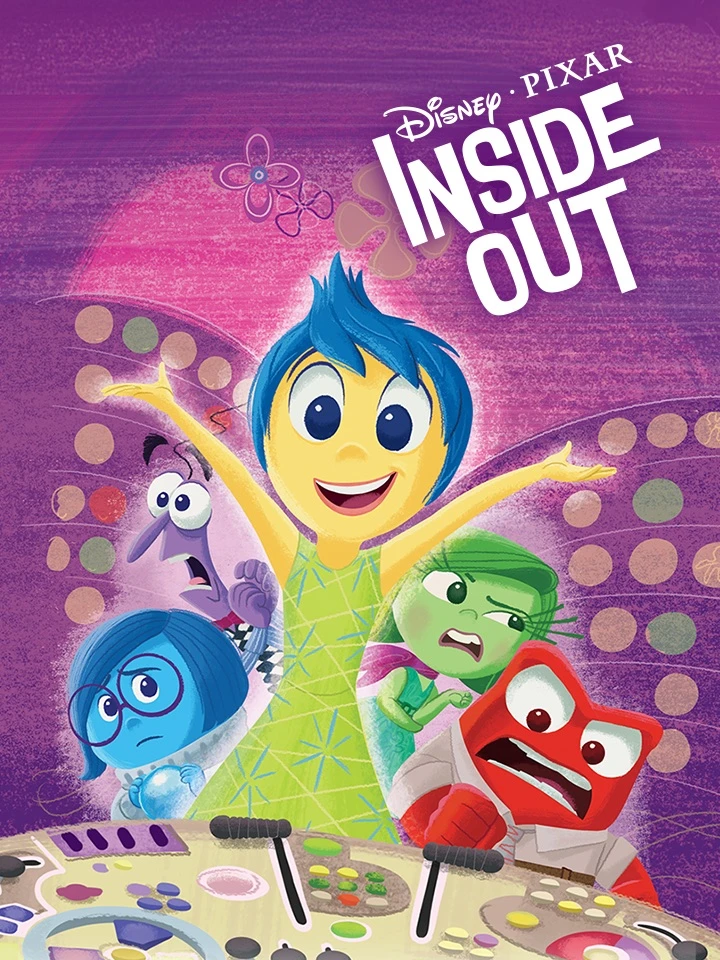
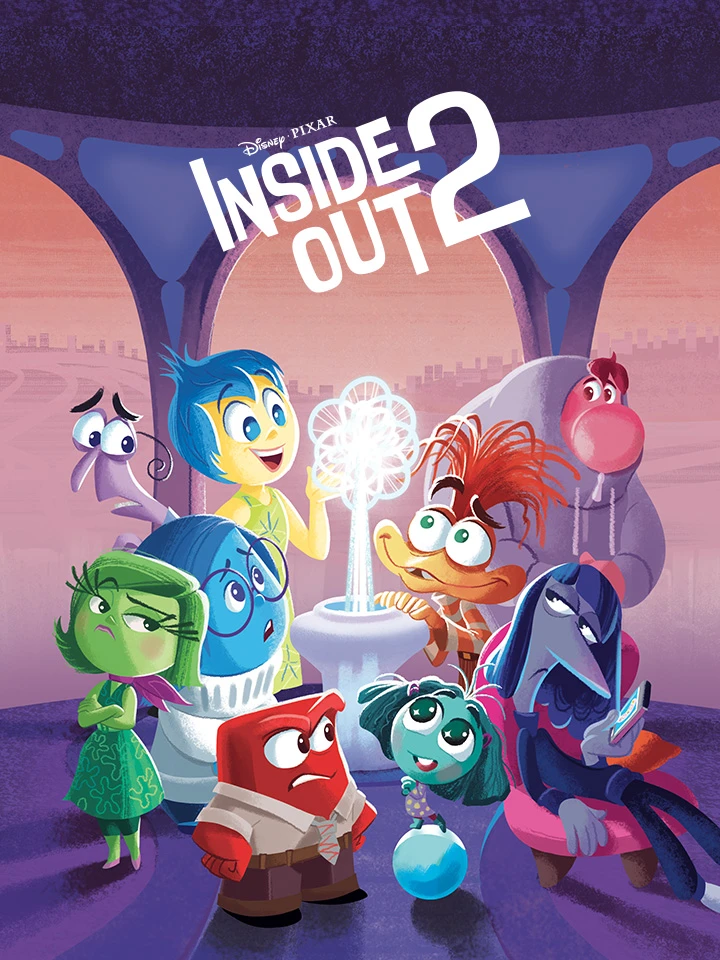
Inside Out | Inside Out 2 © Disney/Pixar
Stories That Take a Deep Look at One Emotion
These stories focus on a single emotion, slowly revealing the landscape of the mind.
<Good Night, Anxiety!> — A Bedtime Story That Soothes an Anxious Heart
After a long day, Anxiety has trouble falling asleep. Can the emotion friends help Anxiety rest? This book is perfect to read together when a child feels uneasy, and can also be used to support sleep training for children learning to sleep on their own.
Lexile: 410L–660L | Key themes: Managing anxiety, calming the mind before sleep
<Please Don’t Get Angry!> — Learning How to Deal with Anger
Riley is taking care of a child who seems constantly irritated. When Anger takes over the control panel, Riley’s frustration grows stronger… What should we do when we feel angry?
Lexile: AD400L–AD500L | Key themes: Anger regulation, patience
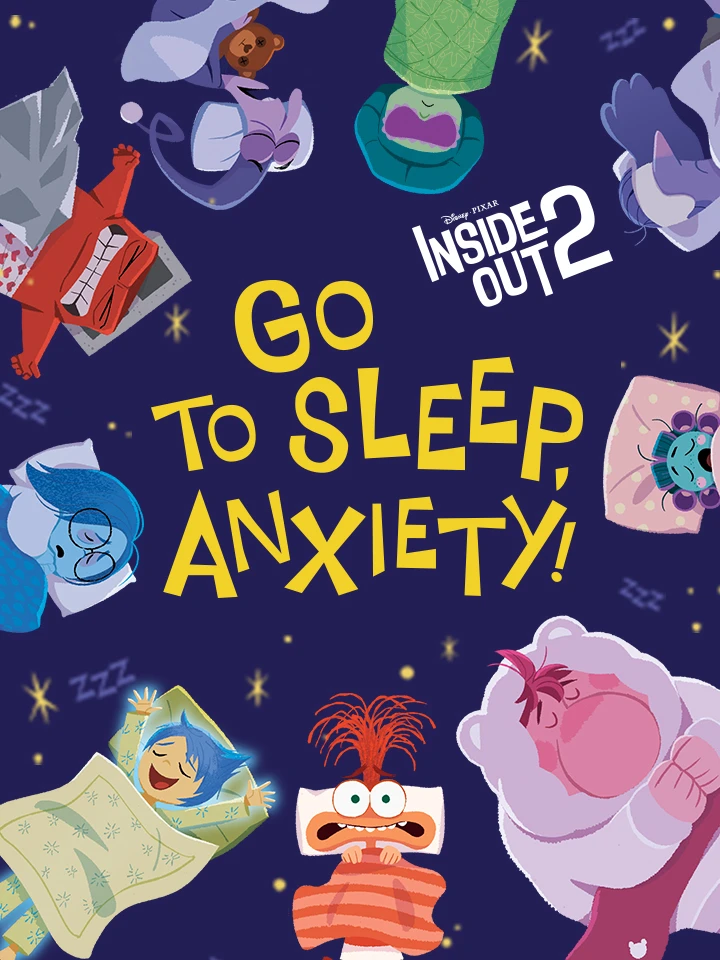
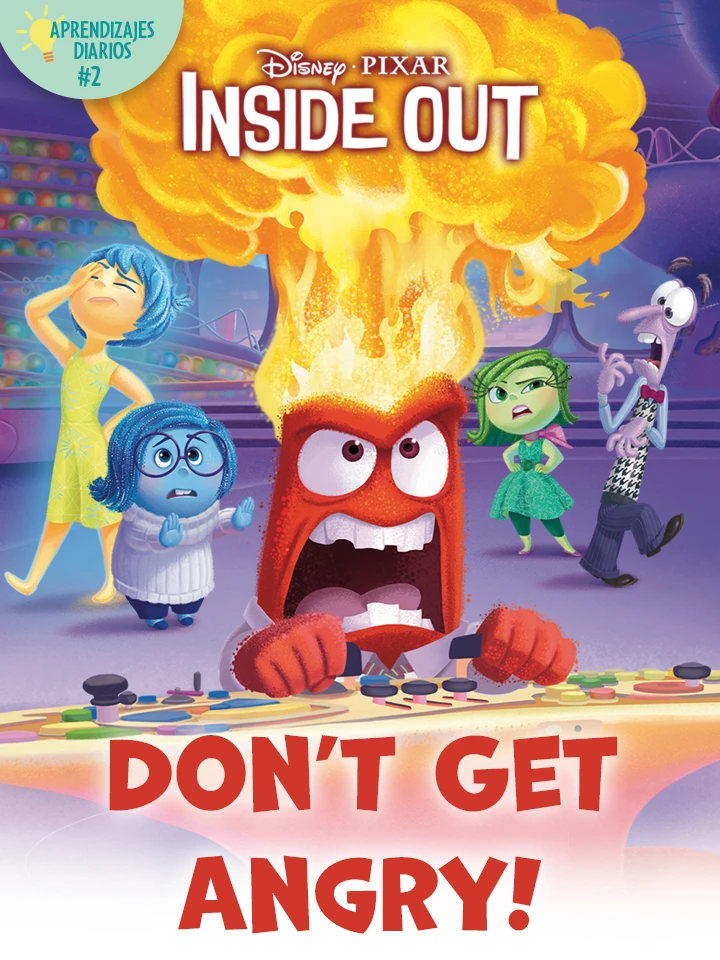
Go to Sleep, Anxiety! | Don't Get Angry! © Disney/Pixar
Extended Stories: New Adventures of the Emotion Friends
Through the emotion friends’ new adventures, children can explore feelings in stories with greater depth and fun.
<Inside Out 2: What Happened in the Waiting Room> — A Story About Facing Nerves Before a Big Moment
Riley has to write a graduation speech for middle school! She doesn’t know what to say. Can the emotion friends help her find words that truly reflect her feelings?
Lexile: 410L–660L | Key themes: Overcoming pressure, self-expression
<Inside Out 2: Mind Games> — A Lighthearted Story of Fun Games with the Emotion Friends
When Riley starts her homework, the bored emotion friends begin playing Mind Games! What kind of fun events will unfold inside Riley’s mind?
Lexile: 410L–660L | Key themes: Cooperation, enjoying time together
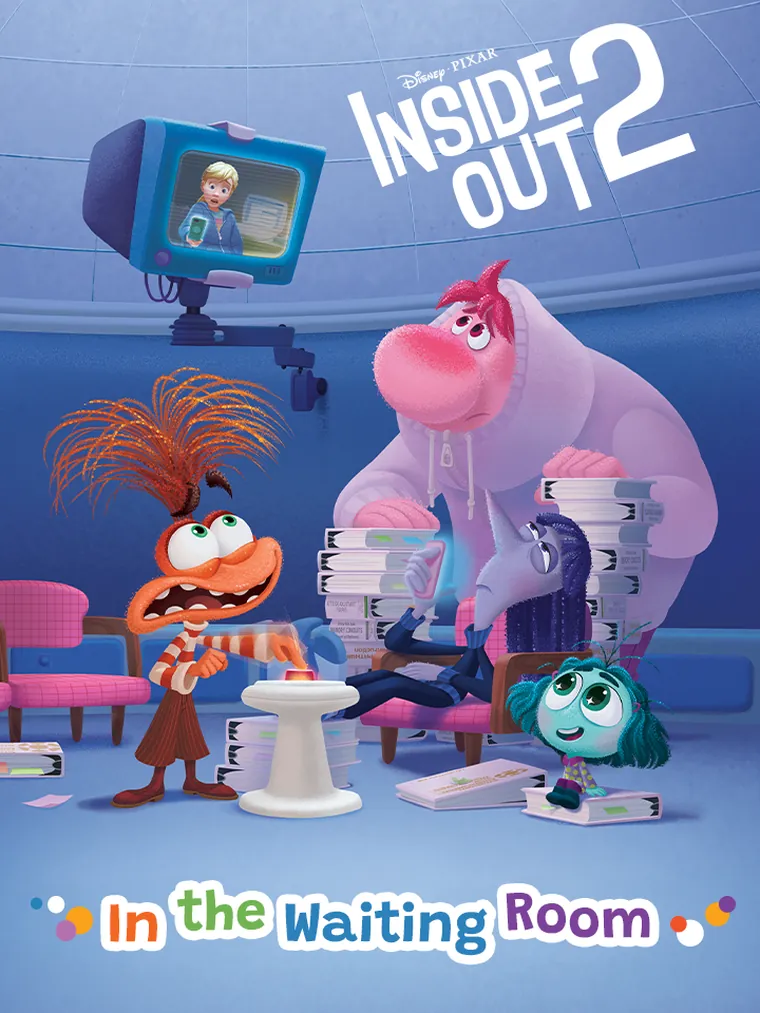
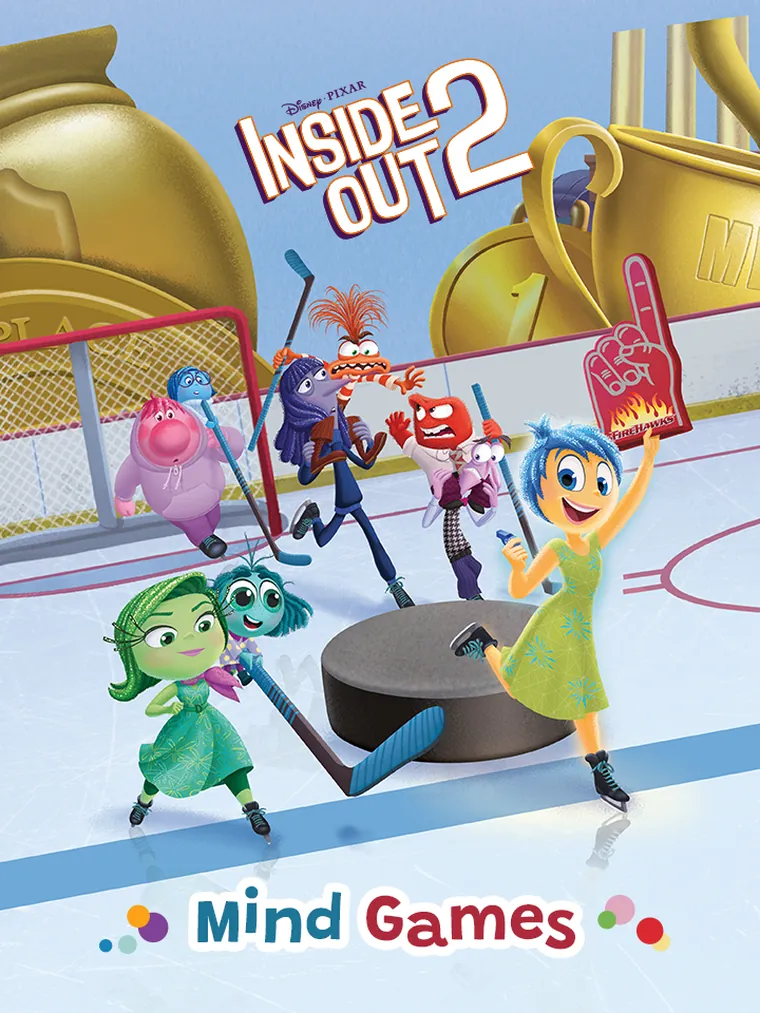
In the Waiting Room | Mind Games © Disney/Pixar
Four Emotional Lessons We Learn from Inside Out
It’s Okay to Feel Sad
One of the most touching moments in Inside Out is when Joy realizes the value of Sadness. Joy’s realization—that Riley must be able to feel sad in order to be truly happy—moved many adults as well.
Sadness, we need you.
Anxiety Protects Me
Anxiety is not a bad emotion. Anxiety worries about what might happen in advance to protect Riley. Still, it’s important to keep anxiety in balance with other emotions.
Sometimes Anger Is Necessary
Anger speaks up for us when something is unfair. Anger is an important signal that says, “This isn’t right!” But how we express anger matters just as much.
All Emotions Work Together
Joy alone cannot make Riley happy. Sadness, anger, fear, and disgust—only when all emotions work together can we have a healthy mind.